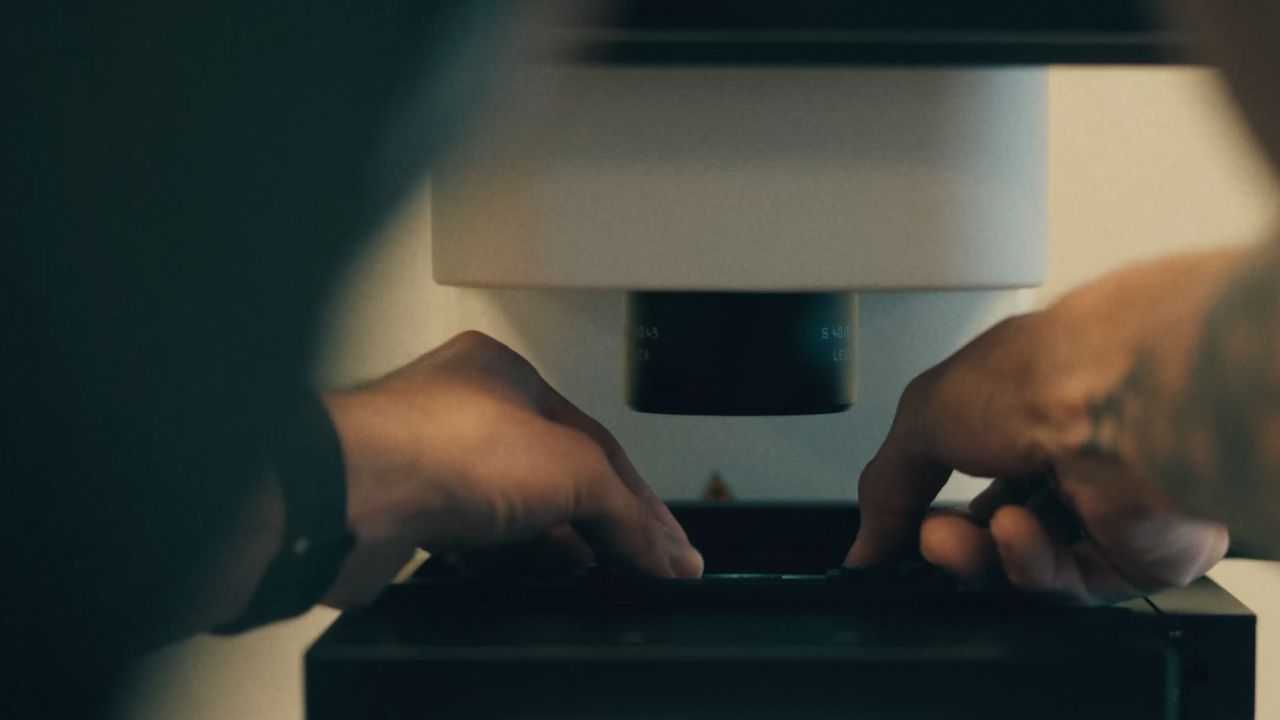
Anthropic has announced a research preview of the Model Hardware Standard (MHS), a shared specification designed to let AI agents safely operate physical devices in scientific and manufacturing settings. The standard, developed in collaboration with HHMI Janelia Research Campus, enables agents to control multiple instruments—such as microscopes, liquid handlers, and robotic arms—in parallel, handling tasks from drug discovery experiments to laser calibration on quantum computers.
Traditionally, integrating lab or factory hardware takes weeks or months because devices often lack standardized communication interfaces. MHS reduces this to hours or minutes by introducing a standardized driver that translates between a computer's operating system and hardware. The driver uses simple primitives like 'read' and 'write' and includes natural-language tags that describe device characteristics, helping agents understand unfamiliar equipment.
MHS supports three control mechanisms: Model Context Protocol (MCP), command-line interfaces, and code files (APIs). These allow agents to orchestrate multi-device workflows, monitor results, and adjust parameters in real time. In tests, Anthropic observed Claude interacting with hardware exploratively, learning from adjustments and packaging knowledge into deterministic scripts for efficient operation.
Early partners report significant gains. Genentech used MHS to automate a BCA protein assay, while Carnegie Mellon ran dose-response experiments three times faster. QuEra achieved 99.3% autonomous recovery of laser 'lock' in quantum systems. Other partners include the University of Washington, HHMI Janelia, Tetsuwan Scientific, and hardware vendors like AWS and Automata, who are integrating MHS support.
Anthropic plans to make MHS open source after refining safety evaluations and best practices with partners. The research preview is available to select labs and manufacturers, with applications open on Anthropic's website.